
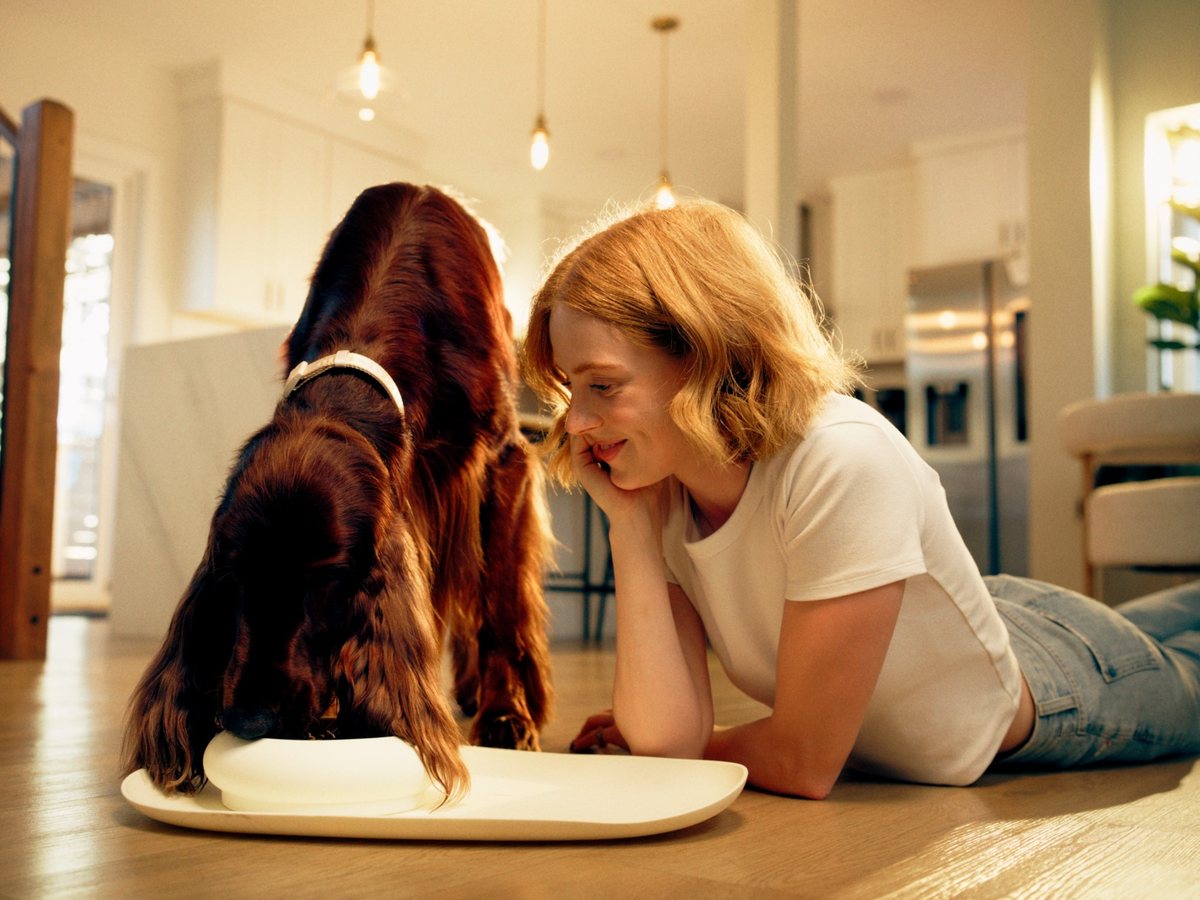


Can you live happily with a dog in a small apartment?
Yes. A dog's happiness in a small apartment depends on exercise, routine and a settled home base, not on square footage. A calm small dog with a few good walks a day, things to do indoors and a bed of their own often does just as well in a one-bedroom as in a house with a yard.
This guide covers how to pick a dog that suits apartment life, how to set up a small space so it works for both of you, and how to handle exercise, potty breaks, barking and getting around the building. The first sentence of every section is the short version.
Which dogs do best in a small apartment?
Energy level and temperament matter more than size: a calm, adaptable dog settles into a small space, while a high-energy dog of any size will struggle. Small and toy breeds are an easy fit because they need less room to move around, but individual dogs vary, so meet the specific dog before you commit.
Look for a dog that is comfortable being alone for reasonable stretches, tolerates everyday noise from hallways and neighbors, and is content with a few moderate walks rather than hours of running. Adult and senior dogs are often the easiest match, since their temperament is already known.
These are general tendencies, not guarantees:
| Breed | Why it often suits apartments | Watch for |
|---|---|---|
| French Bulldog | Low exercise needs, usually a quiet housemate | Struggles in heat, so keep exercise gentle in warm weather |
| Shih Tzu | Calm, lap-loving, happy with short walks | Coat needs regular grooming |
| Chihuahua | Tiny, needs very little space, easy to carry | Can be vocal and wary of noise; feels the cold |
| Yorkshire Terrier | Compact and portable | Terrier energy and a tendency to bark, so start training early |
| Pomeranian | Small, fluffy, enjoys being carried | Often vocal, so practice quiet cues from day one |
| Dachshund | Fits easily in small homes | Back-health concerns with stairs and jumping; can be vocal |
Before you bring any dog home, check your lease. Many buildings set weight, breed or pet-count limits, and some charge pet rent or a deposit.
How do you set up a small apartment for a dog?
Give your dog one dedicated home base, a bed in a quiet corner, and keep everything else in a fixed spot so a small space never feels cluttered. A dog that knows where to settle is calmer, and a tidy layout keeps you from tripping over toys and bowls.
- Pick the corner carefully. Choose a spot where your dog can see the room but is out of the path to the door and away from street-facing windows, which invite barking.
- Fit the bed to the space and the sleeper. Measure the corner first, then match the bed to how your dog sleeps: curled up, stretched out or propped against a wall. A removable, washable cover makes upkeep easy in a home with little room for laundry piles. Browse maxbone's dog beds for small-space-friendly options.
- Build a go station by the door. Hang the leash, waste bags and carrier on wall hooks at the entrance so walks start without a scramble. Vertical storage frees up floor space your dog can actually use.
- Keep toys contained. A lidded bin or a basket under a console keeps the floor clear; rotate a few toys at a time to keep them interesting.
- Protect small joints on slick floors. A runner or rug along your dog's main routes gives better grip on hardwood and tile.
If your dog is prone to nerves, make the bed area a calm zone with a familiar blanket and soft background noise.
How do you exercise a dog in an apartment?
Split exercise into two or three structured walks plus short indoor sessions, because without a yard most of an apartment dog's activity comes from you. Most small dogs do well with a morning, midday and evening outing, though the right amount depends on age, breed and health, so ask your vet if you are unsure.
Make walks count.
- Let your dog sniff. Sniffing is mentally tiring, so a slow, nose-led walk can settle a dog more than a fast one.
- Vary the route now and then. New smells and sights add stimulation without adding distance.
- Keep walks happening in bad weather. A waterproof layer makes a rainy-day walk far easier to commit to; see maxbone's wear collection for raincoats and jackets.
Fill the hours in between with indoor play.
- Play hide-and-seek with a treat or favorite toy, or scatter a few treats and cue "find it."
- Roll a soft ball or toy down the hallway for short fetch rounds.
- Run five to ten minutes of trick or manners training; learning tires a dog out more than most people expect.
- Swap the food bowl for a puzzle feeder, snuffle mat or lick mat so meals double as mental exercise.
If you are away for long workdays, consider a midday walker or a friend's visit so your dog isn't waiting eight hours or more between breaks. For breeds prone to back problems, such as dachshunds, limit repeated stair climbing and jumping on and off furniture.
How do you handle potty breaks in an apartment?
Stick to a fixed schedule of outdoor breaks and reward every success, and treat an indoor or balcony potty as a backup rather than the plan. Consistency matters more than any gadget: dogs learn fastest when the timing, route and reward are the same every day.
- Time the breaks. Take your dog out first thing in the morning, after meals, after naps and play, and right before bed. Puppies and seniors need more frequent trips.
- Use one spot and one cue. Walk the same route to the same patch of grass each time and say the same word as your dog goes.
- Reward immediately. Give a treat and praise the moment they finish, outside, not once you are back upstairs.
- Handle accidents calmly. Never punish; it teaches dogs to hide. Clean with an enzymatic cleaner so no scent remains to invite a repeat.
- Pick one backup and stick with it. Pee pads or an artificial grass tray can help on high floors, in storms or for older dogs. Use a balcony only if your lease allows it and the space is safe, and avoid mixing several surfaces, which can confuse a dog in training.
Keep waste bags clipped to the leash or stored at your go station so cleanup is never the reason you skip a walk.
How do you keep a dog from barking in an apartment?
Find out why your dog is barking first, then fix the cause: most apartment barking comes from boredom, loneliness or reacting to sounds in the hallway, not from stubbornness. Punishing barking rarely works; meeting the underlying need usually does.
- Boredom or pent-up energy. Add a walk before you leave and give a puzzle feeder or lick mat to keep your dog busy.
- Separation anxiety. Signs include barking or whining soon after you leave, pacing and destructive chewing. Practice short, calm departures and build up gradually; for persistent cases, talk to your vet or a certified trainer.
- Hallway and street noise. Move the bed away from the door and windows, and mask sounds with a fan or soft background noise.
- Alert barking. Teach a "quiet" cue: let your dog bark once or twice, say "quiet," and reward the moment they stop.
Tell your neighbors you have a new dog and share your number so they can reach you before a small problem becomes a complaint. Check your lease, too: some buildings have noise policies that apply to pets.
How do you get a small dog through elevators, stairs and city streets?
Plan the trip from your door to the sidewalk, and keep a small dog on a short leash or in your arms wherever your building asks. Elevators, lobbies and crowded sidewalks are where small dogs get stepped on or startled, so a little preparation goes a long way.
- Elevators and lobbies. Shorten the leash, ask your dog to sit beside you and wait for other passengers to settle. Many buildings require dogs to be leashed or carried in common areas, so check the rules.
- Stairs. Carry puppies, seniors and back-sensitive breeds rather than letting them climb.
- Busy sidewalks and transit. A sling carrier keeps your hands free and your dog close and off the ground. maxbone's Eco Packable Sling Carrier is made for calm toy and small dogs under 10 lbs, closes with a safety latch and folds flat when not in use, which suits an apartment with limited storage. Browse the full carrier-bags collection for other styles.
- Train for it at home. Let your dog explore a carrier on the floor and take short practice carries before you rely on it in public.
Policies for buses, trains and rideshares vary by city and operator, so check before you travel with a carrier.
What does a good day look like for an apartment dog?
A workable apartment day has three outdoor breaks, two short indoor activity blocks and plenty of rest in between. This sample suits a small adult dog and an owner who works out of the home; adjust the timing for your schedule, and ask your vet about your dog's age and breed.
| Time | What happens |
|---|---|
| 6:30–7:00 am | Potty break and a 15–20 minute walk, then breakfast from a puzzle feeder |
| 7:30 am | Settle on the bed with a chew or lick mat before you leave |
| 12:30 pm | Midday potty break and short walk, by you, a walker or a friend |
| 5:30–6:00 pm | Longer walk with plenty of sniffing, then dinner |
| 7:00 pm | Indoor play, hide-and-seek or a short training session |
| 9:30–10:00 pm | Last potty break, then bedtime on the dog's own bed |
Frequently asked questions
Can you have a dog in a small apartment?
Yes. Dogs adapt well to small apartments when they get daily exercise, mental stimulation and a consistent routine. Check your lease for weight, breed and pet-count limits before you bring one home.
What is the best dog for a small apartment?
A calm, adaptable dog with moderate energy suits a small apartment best, and many small and toy breeds fit well. French Bulldogs and Shih Tzus are often quiet and low-energy, while terriers, Chihuahuas and Pomeranians tend to bark more and need early training.
How much exercise does a dog need in an apartment?
Most small dogs do well with two to three walks a day plus short indoor play or training sessions. Needs vary with age, breed and health, so ask your vet if you are unsure.
How do you potty train a dog in an apartment?
Take your dog out on a fixed schedule, use the same spot and cue every time, and reward immediately after they go. A pee pad or grass tray can serve as a backup on high floors or in bad weather, but pick one method and stay consistent.
How do you stop a dog from barking in an apartment?
Identify the cause, then address it: add exercise and puzzle toys for boredom, practice gradual departures for separation anxiety, and move the bed away from doors and windows to cut down on noise triggers. Reward quiet instead of punishing barking.
Can you leave a dog alone in an apartment all day?
Most adult dogs can handle a few hours alone, but a full workday without a break is hard on them. Arrange a midday walk from a walker or friend, and exercise your dog before you leave.
How do you get dog smell out of an apartment?
Wash bedding and blankets weekly, vacuum often, clean accidents with an enzymatic cleaner and keep up regular grooming. A bed with a removable, washable cover makes the biggest everyday difference.
What vaccines does a dog need to live in an apartment?
Most buildings ask for proof of up-to-date vaccinations, usually including rabies. Requirements differ by building and city, so check your lease and ask your vet for the right schedule for your dog.
What should you buy before bringing a dog home to an apartment?
Start with a bed, a leash and harness, waste bags, food and water bowls, a puzzle feeder and an ID tag. If you will be carrying a small dog through elevators or on transit, add a carrier. Browse maxbone's dog beds, leashes and carrier bags.


